August 31, 2026
Transportation accidents can result in serious physical injuries, financial losses, and long-term disruptions to a person's life. When an accident occurs because of another party's negligence, an injured person may have grounds to pursue a personal injury claim seeking compensation for those losses. The value and outcome of a settlement can depend on the circumstances of the accident, the extent of the injuries, available insurance coverage, and the evidence supporting the claim.
Understanding how transportation accidents affect settlements can help injured individuals make informed decisions throughout the claims process. From determining fault to documenting medical expenses and negotiating with insurers, several factors can influence how much compensation may ultimately be available.
What Is a Transportation Accident and How Does It Lead to Personal Injury Claims?
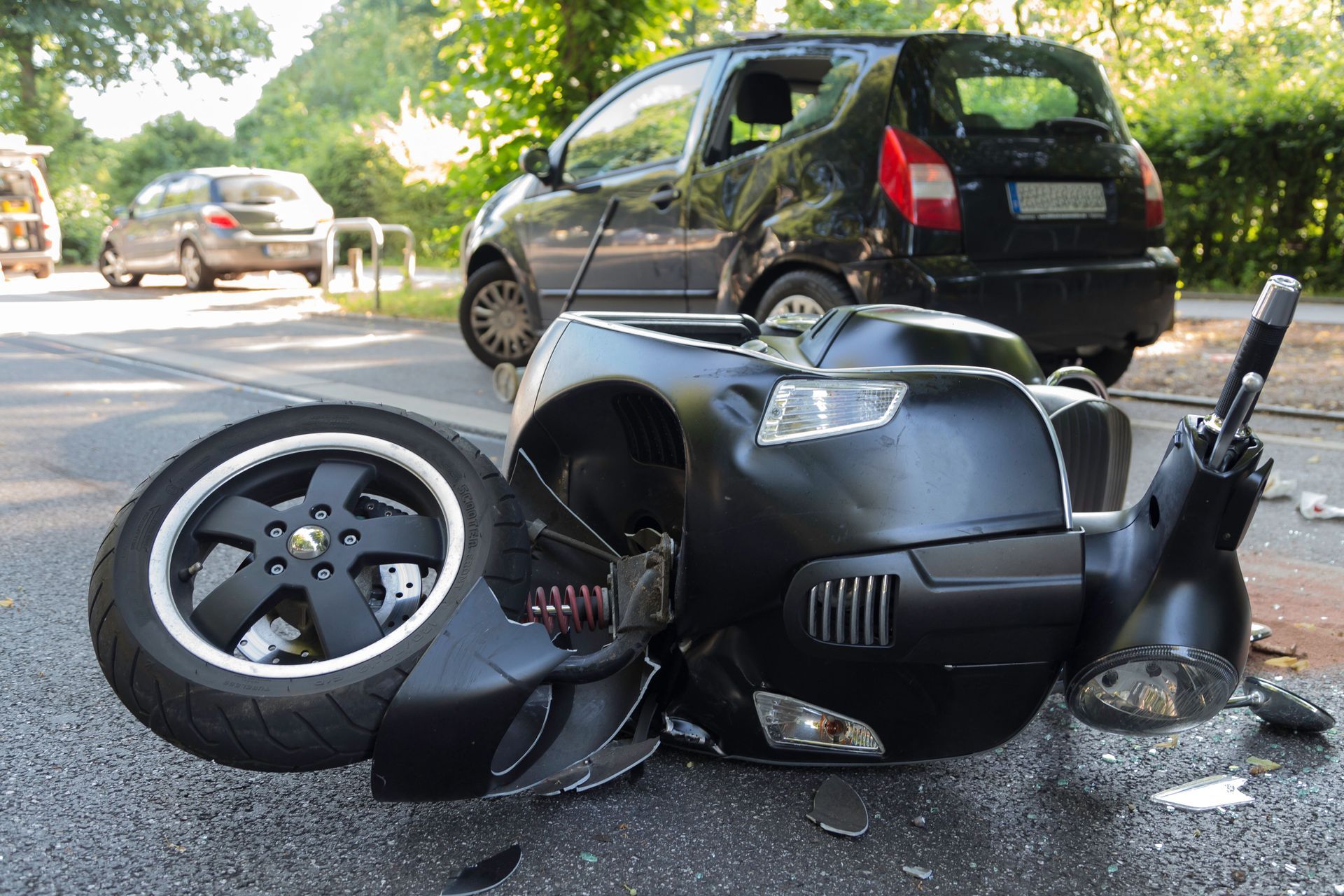
Transportation accidents include many different incidents involving vehicles and other forms of transportation. Car crashes are among the most common, but motorcycle accidents, commercial truck collisions, bicycle crashes, pedestrian accidents, and public transportation incidents can also result in personal injury claims.
These accidents can happen for numerous reasons. Distracted driving, speeding, impaired driving, unsafe lane changes, inadequate vehicle maintenance, and hazardous road conditions may all contribute to collisions. In some situations, more than one party may share responsibility for an accident.
Transportation incidents are also a significant source of workplace fatalities. According to the Bureau of Labor Statistics, transportation incidents were the leading type of fatal event for wage and salary workers, while contact incidents were the leading type for self-employed workers. This illustrates the potentially serious consequences transportation-related accidents can have on workers and their families.
When another party's negligence contributes to an accident, an injured person may pursue a personal injury claim. Depending on the circumstances, compensation may address medical expenses, lost wages, property damage, pain and suffering, and other losses connected to the accident.
How Do Insurance Companies Evaluate Personal Injury Claims From Transportation Accidents?
Insurance companies typically investigate transportation accident claims before determining whether and how much they will pay. The process can involve reviewing accident reports, photographs, witness statements, medical records, vehicle damage, and other documentation.
One of the first questions is usually who was responsible for causing the accident. Insurers may examine traffic laws, statements from drivers and witnesses, police reports, and available video footage. In cases involving multiple vehicles, determining fault can become particularly important because several parties may have contributed to the collision.
Medical evidence is another major consideration. Insurers may review the nature of an injury, treatment received, expected recovery time, and whether additional medical care may be necessary. A claim involving a temporary injury may be valued differently from one involving permanent impairment or extensive rehabilitation.
The insurer may also examine whether the claimed losses are directly connected to the accident. Keeping medical bills, employment records, receipts, and other documentation can help establish the financial impact of an injury.
An insurance company's initial settlement offer does not necessarily represent the full value of a personal injury claim. Claimants may negotiate when the available evidence supports additional compensation.
What Factors Influence the Settlement Amount in Personal Injury Cases From Accidents?
The severity of an injury is one of the most important factors affecting a personal injury settlement. Serious injuries may require emergency treatment, surgery, physical therapy, medication, rehabilitation, or long-term care. They may also affect a person's ability to work and participate in normal activities.
Lost income can significantly increase the financial impact of an accident. Someone who misses several weeks of work may experience immediate financial losses, while someone who cannot return to their previous occupation could face substantially greater damages. Documentation of wages, missed work, reduced earning capacity, and employment benefits may become relevant when calculating these losses.
The circumstances surrounding the accident also matter. Clear evidence that another party was responsible may strengthen a claim, while disputes about fault can make settlement negotiations more difficult. In jurisdictions that apply comparative fault rules, an injured person's own share of responsibility may also affect the amount they can recover.
Non-economic losses can be important as well. Pain, emotional distress, loss of enjoyment of life, and permanent limitations may contribute to the overall value of a claim. Because these losses do not always have straightforward dollar amounts, their valuation can vary considerably from case to case.
The available insurance coverage can also place practical limits on recovery. Even a claim involving substantial injuries may be difficult to fully compensate if the responsible party has limited insurance or financial resources.
Can Legal Representation Affect the Outcome of Personal Injury Settlements From Transportation Accidents?
An attorney can play an important role in a personal injury case by helping gather evidence, assess damages, communicate with insurance companies, and negotiate settlement offers. Legal representation may be particularly useful when liability is disputed or an injury has significant long-term consequences.
Attorneys can also help identify damages that an injured person might otherwise overlook. Medical expenses and lost wages are relatively easy to identify, but future treatment, reduced earning capacity, and non-economic losses may require additional analysis.
Negotiation is another important part of many personal injury cases. Insurance companies have financial incentives to resolve claims for as little as reasonably possible. An attorney can review an insurer's offer and determine whether the amount reasonably reflects the documented losses and circumstances of the accident.
If negotiations do not result in an acceptable resolution, an attorney can also explain the possibility of pursuing the matter in court. The prospect of litigation may affect settlement discussions, although no particular outcome is guaranteed.
Ultimately, whether legal representation is worthwhile depends on the circumstances of the individual claim. Cases involving serious injuries, disputed liability, multiple parties, or substantial financial losses may benefit from professional legal assistance.
How Are Personal Injury Settlements Taxed and What Are the Implications?
The tax treatment of a personal injury settlement depends on what the payment is intended to compensate. Under federal tax law, certain amounts received because of personal physical injuries or physical sickness may generally be excluded from gross income.
However, not every payment associated with an injury claim receives the same treatment. Amounts allocated to certain types of damages, including some payments for emotional distress that are not connected to a physical injury, may have different tax consequences. Interest added to a judgment or settlement can also be taxable.
Because settlement agreements may include compensation for several different categories of losses, the wording and allocation of the agreement can matter. State tax rules may also differ from federal treatment.
Anyone receiving a substantial personal injury settlement should consider discussing the tax implications with a qualified tax professional. Understanding potential tax obligations before accepting a settlement can help prevent unexpected financial consequences.
Transportation accidents can have lasting physical, financial, and emotional consequences, and those consequences can directly affect the value of a
personal injury settlement. The severity of the injuries, medical expenses, lost income, degree of fault, available insurance coverage, and evidence supporting the claim can all influence the amount ultimately recovered.
Insurance companies carefully evaluate accident and medical records when assessing claims, while legal representation may provide valuable assistance with evidence collection and settlement negotiations. Tax considerations can also affect the amount a claimant ultimately keeps.
For anyone pursuing compensation after a transportation accident, understanding these factors can provide a clearer picture of how settlements are evaluated. A thorough review of the circumstances, losses, and applicable laws can help an injured person make informed decisions about pursuing a personal injury claim. If you've been injured in an accident, reach out to The Law Offices of Joseph J. Steffen Jr today!